
“Chiseled, slender and delicate, nuanced, dynamic in the glass, [Bodega Chacra] is an impressive, crystalline expression of Patagonia”
- Wine Advocate
In Patagonia, a "chacra" refers to a piece of land destined to the science of growing fruit. To the casual observer, the remote, rugged, southernmost slice of Argentina, its western side an expanse of glaciers and temperate rainforests, and its eastern side a stretch of desert, might seem the least likely landscape to fulfill that pomological destiny. Improbable on paper, sure; in practice, Patagonia is the source of some of the greatest Pinot Noir and Chardonnay on the planet.
Piero Incisa della Rocchetta didn't have to move to one of the most remote areas in the world. As the scion of one of the most famed Italian wine producers in the world - Tenuta San Guido's 'Sassicaia' is considered the seminal 'Super Tuscan' and regularly fetches high scores and even higher prices - life could have been downright cushy had he opted to remain in Bolgheri.
Instead, he traversed the Atlantic, landed in a plot of ungrafted vines planted in Patagonia's Rio Negro in 1932, and alongside Burgundy master Jean-Marc Roulot, started making some of the world's greatest wines from the unlikeliest of places.

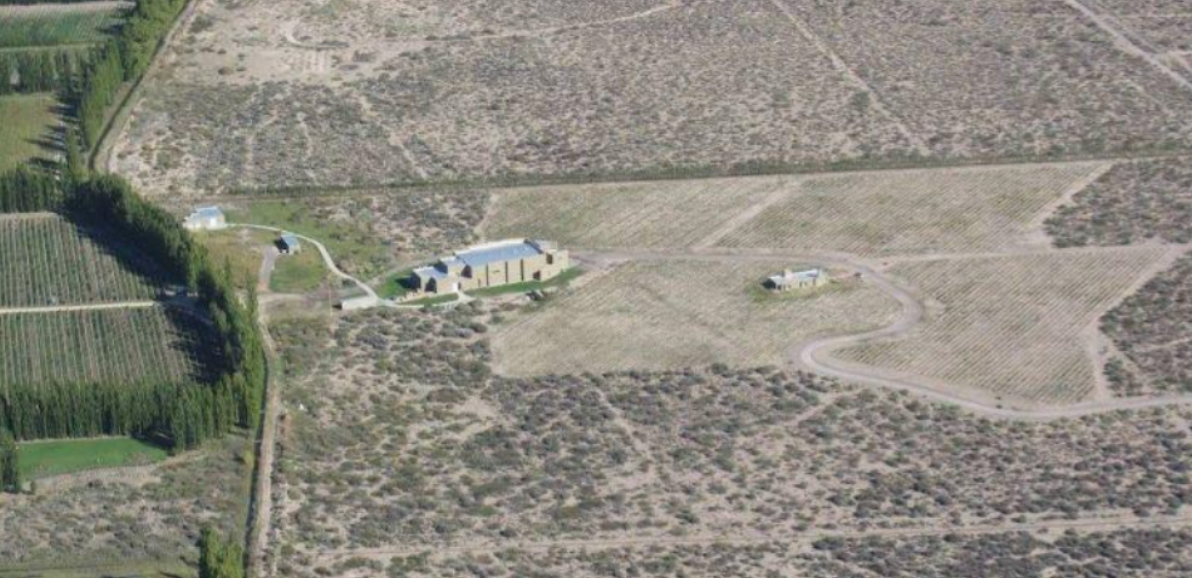
Terroir is a deceptively simple word for a concept that, in practice, can be hard to define. But in the windswept, remote Rio Negro, the geography of the place offers an almost visceral understanding of its impact on the wines it produces. The valley sits at the same latitude as parts of Oregon and Southern Burgundy, but its extreme, almost inhospitable climate provides an ethereal layer of tension and transparency. The Rio Negro is incredibly dry with essentially no humidity, dramatic diurnal shifts, constant winds, and intense sunlight. All of those elements together make ideal conditions for pure, mineral, and energetic wines: slow, even ripening, brisk acidity, tremendous phenolic maturity, and varietal clarity.
While Piero and Jean-Marc have shaped the philosophy and winemaking approach at Bodega Chacra, at its core, Chacra is an estate-driven, cooperative effort by a team of careful winemakers that keep the focus on site over personality. And with the exceptional quality of their old-vine sites, it's easy to understand their avoidance of the more traditional “star winemaker” imprint in favor of transparent expressions of terroir over technique.

While Chacra was initially established to highlight Patagonia as a Pinot Noir-producing region, their Roulot-led Chardonnay project has understandably earned a cult-like following, particularly among Burgundy collectors. Chacra’s Chardonnay comes from vineyards planted in the late 20th century around the town of Mainqué along the Rio Negro river corridor. Marked by linear structure, saline edge, and long, mineral-driven finish, their Chardonnay has the tension of Chablis and the texture of Meursault, Burgundian precision meets Patagonian energy.
The “Treinta y Dos” vineyard, named for the year it was planted (1932) is the crown jewel of the Chacra estate, and the site that convinced Piero to start his project in Patagonia. As some of the oldest Pinot Noir plantings in South America, these are fragile, low-yielding vines that produce highly concentrated, complex fruit full of depth and nuance. The ancient alluvial riverbed soils layered with sand, clay, and limestone allow the fruit to develop endless depth, making a palate marked by waves of dark wild berry and accents of earth, spice, and a savory, almost feral edge. Tightly coiled and layered upon release, Treinta y Dos is built to age, with structure and firm tannins that will support decades in the cellar.
Given the quality of the vine material and talent of the winemakers involved, Chacra wines are consistently excellent each vintage. However, recent years have seen contrasting vintage conditions, from the classic, balanced 2021 with bright acid structure, to the softer, more immediately approachable 2022s, and the low-yield, highly concentrated 2023s to the snappy, vibrant fruit of the 2024s.
Bodega Chacra makes some of the most compelling wines from anywhere in the world, undoubtedly equal in quality to their Burgundian counterparts, but that could really only come from Patagonia.
